Digital Marketing Campaigns Explained: Benefits, Types, and Steps to Success
A digital marketing campaign is a coordinated, strategic effort to achieve a specific business goal using online channels whether that's generating leads, increasing website traffic, building brand awareness, launching a product, or driving sales.
Imagine spending weeks setting up your first Facebook ad campaign. You pick an audience, write some copy, upload a graphic, and hit publish. Then you wait.
A week passes. You've spent ₹15,000 — and got exactly 2 inquiries, both of which ghosted you.
Sound familiar?
You're not alone. This is the story of thousands of business owners who dive into digital marketing without a clear strategy. They spend money, get confused by data, and eventually give up — convinced that "digital marketing doesn't work."
But here's the truth: digital marketing absolutely works. The problem is the approach.
A well-planned, professionally executed digital marketing campaign can bring consistent leads, build a powerful brand, and generate ROI that traditional advertising simply can't match. In this guide, we'll break down everything you need to know — what campaigns are, how they work, what types exist, and how to run them the right way.
And if you're wondering whether you should do it yourself or hire experts — we'll answer that too, honestly.
What Exactly is a Digital Marketing Campaign?
A digital marketing campaign is a coordinated, strategic effort to achieve a specific business goal using online channels — whether that's generating leads, increasing website traffic, building brand awareness, launching a product, or driving sales.
Unlike one-off social media posts or random blog articles, a campaign has:
- A clear objective — what you want to achieve
- A defined audience — who you're speaking to
- A specific timeframe — when it starts and ends
- A chosen channel or mix of channels — where it runs
- A measurable outcome — how you'll track success
Think of it like a military operation. Every soldier knows the mission, their role, the timeline, and the target. Without that structure, it's just chaos. With it, you get results.
The Real Problem: Why Most Businesses Struggle Online
Here's something no one tells you when you first start a business: building a great product or service is only half the battle. Getting the right people to know about it — that's the other half.
Most businesses struggle online for one or more of these reasons:
No clear strategy. They post on social media occasionally, run an ad here and there, and send emails when they remember to. There's no plan connecting any of it.
Wrong audience targeting. They're showing ads to everyone, hoping someone bites. In digital marketing, trying to reach everyone means reaching no one effectively.
Poor messaging. Their content doesn't speak to the customer's actual pain points. Instead of saying "we'll help you get 3x more leads," they say "we offer quality services." Vague messaging kills conversions.
No tracking. They have no idea which channels are working, what their cost per lead is, or what's driving actual revenue. So they can't improve what isn't working.
Inconsistency. They're active for a month, then silent for two. Algorithms punish inconsistency. So do customers.
The result? Money wasted, frustration built up, and the mistaken belief that digital marketing "isn't for them."
Why Getting Your Campaign Right is Critical
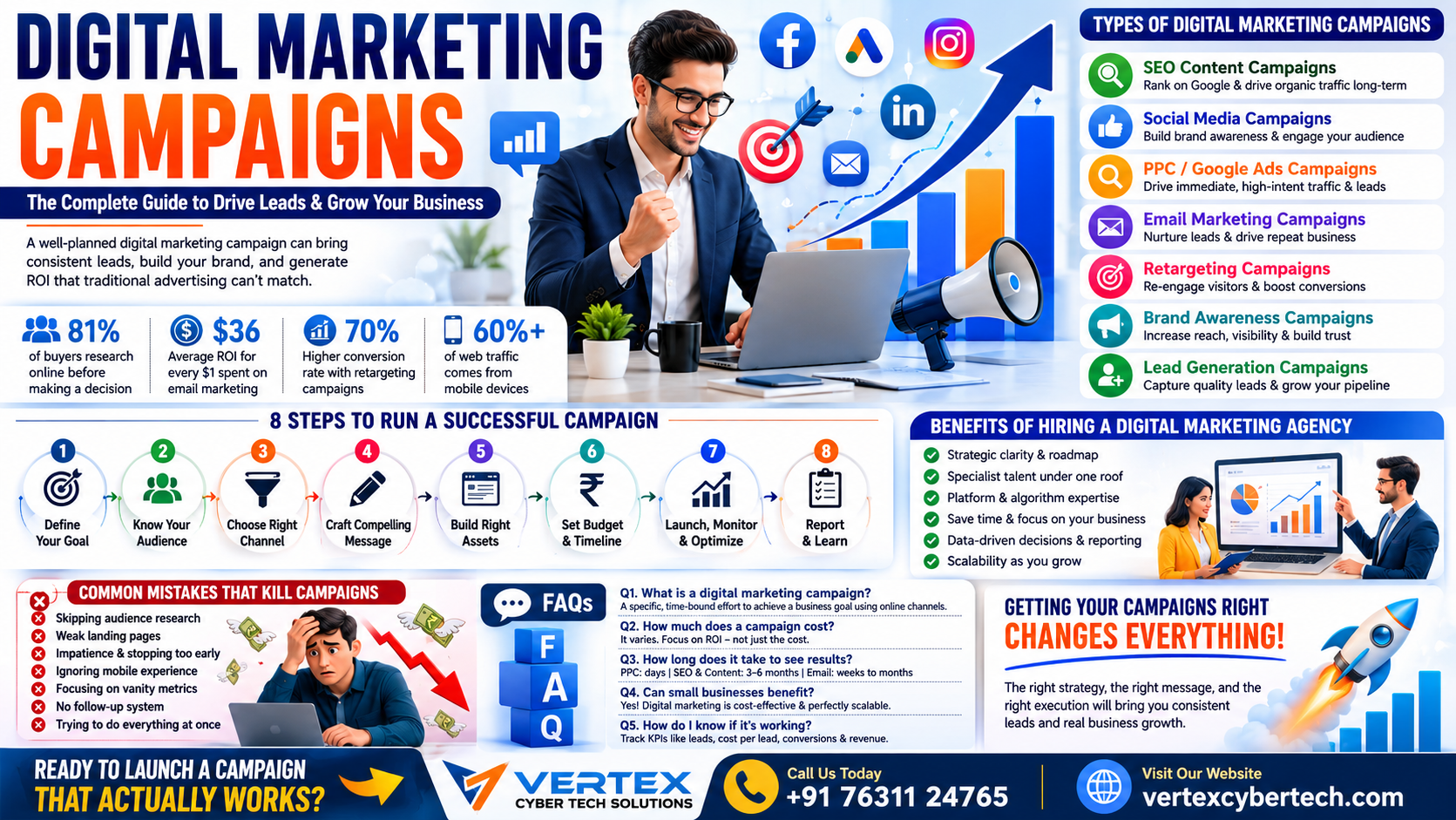
In 2025, your customers are making purchase decisions based on what they find online — before they ever speak to you. Studies show that 81% of buyers research a product or service online before making a decision.
If your digital presence is weak, inconsistent, or non-existent — you're losing business to competitors who showed up online more effectively. It's that simple.
And the cost of getting it wrong isn't just wasted ad spend. It's:
- Missed revenue opportunities every single month
- Competitors capturing market share you could have had
- A brand that looks untrustworthy or outdated online
- Sales teams chasing cold leads instead of inbound inquiries
On the flip side, a well-executed campaign creates a predictable, scalable lead generation engine for your business. Instead of chasing clients, they come to you.
That's the power of getting campaigns right — and it's why it's worth doing properly.
Types of Digital Marketing Campaigns You Need to Know
Not all campaigns are created equal. Different goals require different campaign types. Here's a breakdown of the most effective ones:
SEO Content Campaigns
Goal: Rank on Google, drive organic traffic long-term.
SEO campaigns involve creating optimized content — blogs, landing pages, and service pages — that target keywords your potential customers are searching for. The traffic is free, ongoing, and compounds over time.
Best for: Businesses looking for sustainable, long-term lead generation without ongoing ad spend.
Real-world example: A law firm publishes a detailed guide on "how to file for divorce in Ontario." It ranks on page one, gets 3,000 monthly visitors, and converts 30+ inquiries per month — on autopilot.
Social Media Campaigns
Goal: Build brand awareness, grow an engaged audience, drive traffic and leads.
Social campaigns run across platforms like LinkedIn, Instagram, Facebook, and YouTube. They can be organic (regular posting) or paid (boosted posts and targeted ads).
Best for: B2C brands, local businesses, and B2B companies using LinkedIn for professional outreach.
Pro Tip: Don't just post promotional content. Mix in educational value, behind-the-scenes content, client results, and industry insights to build a genuinely engaged audience.
Pay-Per-Click (PPC) / Google Ads Campaigns
Goal: Drive immediate, high-intent traffic to your website or landing page.
PPC campaigns show your ads to people who are actively searching for your service on Google. You pay only when someone clicks. Done right, this is one of the fastest ways to generate qualified leads.
Best for: Businesses with a clear offer and a defined budget, looking for fast, measurable results.
Key insight: The ad itself is only 20% of the work. The landing page it drives to is the other 80%. A poor landing page kills even the best ad campaign.
Email Marketing Campaigns
Goal: Nurture leads, retain existing clients, drive repeat business.
Email campaigns involve sending targeted, personalized messages to your subscriber list. This can be automated sequences (drip campaigns), newsletters, promotional offers, or re-engagement emails.
Best for: Any business with an existing contact database or one looking to build long-term client relationships.
Fact: Email marketing delivers an average ROI of $36 for every $1 spent — making it the highest-ROI channel in digital marketing.
Retargeting Campaigns
Goal: Re-engage people who visited your website but didn't convert.
Retargeting campaigns show ads to people who've already interacted with your brand — visited a specific page, added something to cart, or watched a video. These audiences are warmer and convert at significantly higher rates.
Best for: E-commerce and service businesses looking to recapture lost leads.
Stats: Retargeted users are 70% more likely to convert than cold audiences.
Brand Awareness Campaigns
Goal: Introduce your brand to a new audience, build recognition and trust.
These campaigns prioritize reach and visibility over immediate conversions. They're typically run through display ads, social media, YouTube pre-rolls, and sponsored content.
Best for: New businesses, product launches, or established companies entering a new market.
Lead Generation Campaigns
Goal: Directly capture contact information from interested prospects.
Lead gen campaigns use lead magnets — free audits, checklists, ebooks, webinars — to attract potential clients and get them into your sales funnel.
Best for: Service businesses, B2B companies, and consultants who need a steady pipeline of prospects.
Step-by-Step: How to Run a Successful Digital Marketing Campaign
Now that you know the types, here's exactly how to execute one properly:
Step 1 — Define Your Campaign Goal
Be brutally specific. "Get more leads" is not a goal. "Generate 50 qualified leads from local construction businesses in 30 days via Facebook ads" is a goal. Specificity drives strategy.
Step 2 — Know Your Target Audience Deeply
Go beyond demographics. Understand their:
- Pain points ("I'm wasting money on ads that don't convert")
- Desires ("I want a predictable flow of inbound leads")
- Objections ("I've tried agencies before and got burned")
- Online behavior (where they spend time, what content they consume)
The more precisely you understand your audience, the more powerful your messaging becomes.
Step 3 — Choose the Right Campaign Type and Channel
Match your goal to the right channel. Want fast leads? PPC. Want long-term organic growth? SEO. Want to build brand authority? Content marketing plus LinkedIn. Don't try to do everything at once — focus delivers better results.
Step 4 — Craft a Compelling Message and Offer
Your message must answer one question in the customer's mind: "What's in it for me?"
Focus on benefits over features. "Save 10 hours a week on manual reporting" beats "we offer automated analytics tools." Lead with value, not with yourself.
Step 5 — Build the Right Assets
Depending on your campaign, this means:
- A high-converting landing page with one clear CTA
- Engaging ad creatives (images, videos, copy)
- A lead magnet or free offer to lower the barrier to entry
- An email sequence to follow up with new leads automatically
Step 6 — Set Your Budget and Timeline
Decide how much you're willing to spend and for how long. Give campaigns enough budget to generate meaningful data — typically at least 4 to 6 weeks and a minimum daily budget before drawing conclusions.
Step 7 — Launch, Monitor, and Optimize
Don't just set it and forget it. Check key metrics weekly:
- Click-through rate (CTR)
- Cost per click (CPC)
- Cost per lead (CPL)
- Conversion rate
- Return on ad spend (ROAS)
Cut what's underperforming. Scale what's working. Optimization is where campaigns go from good to great.
Step 8 — Report and Learn
After every campaign, document what worked, what didn't, and what you'll do differently. This institutional knowledge compounds over time and makes every future campaign smarter.
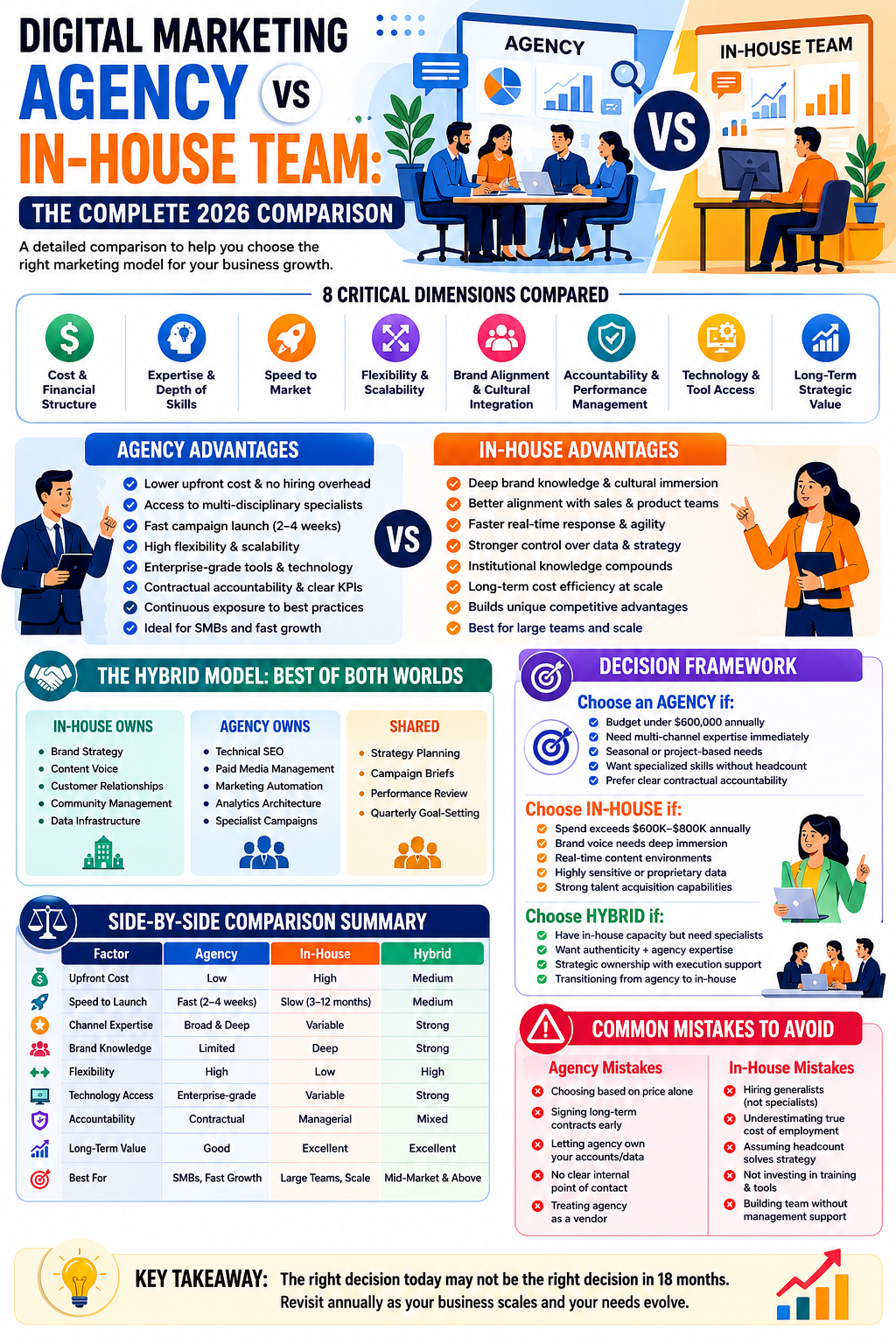
Why Professional Expertise Makes All the Difference
Here's the honest truth about DIY digital marketing:
You can learn it. But it takes time — and time has a cost.
Running effective campaigns requires expertise across multiple disciplines — copywriting, design, audience targeting, platform algorithms, analytics, A/B testing, and marketing psychology. Each one of these is a skill that professionals have spent years developing.
When a business owner tries to handle all of this themselves, one of two things typically happens:
Either they spread themselves too thin and the campaign gets mediocre attention alongside ten other priorities — resulting in mediocre results. Or they go deep into learning it, which means weeks or months of time that could have been spent on what they do best: running their actual business.
A skilled digital marketing team has already made the expensive mistakes. They know what works in your industry, on your platform, with your audience type. They bring tested frameworks, creative resources, and platform relationships that take years to build.
The result? Faster results, lower cost per lead, and a much higher return on your marketing investment.
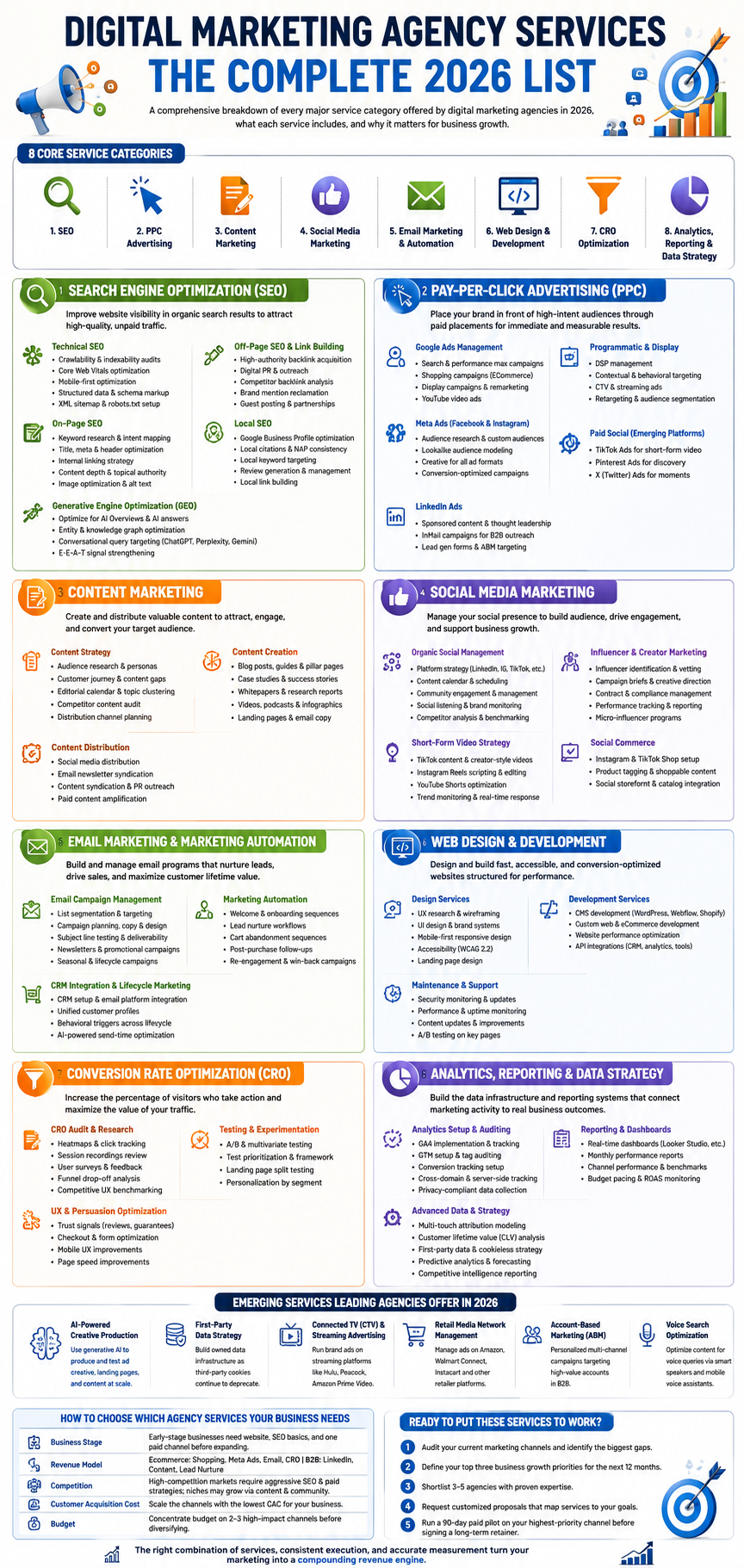
Benefits of Hiring a Digital Marketing Agency for Your Campaigns
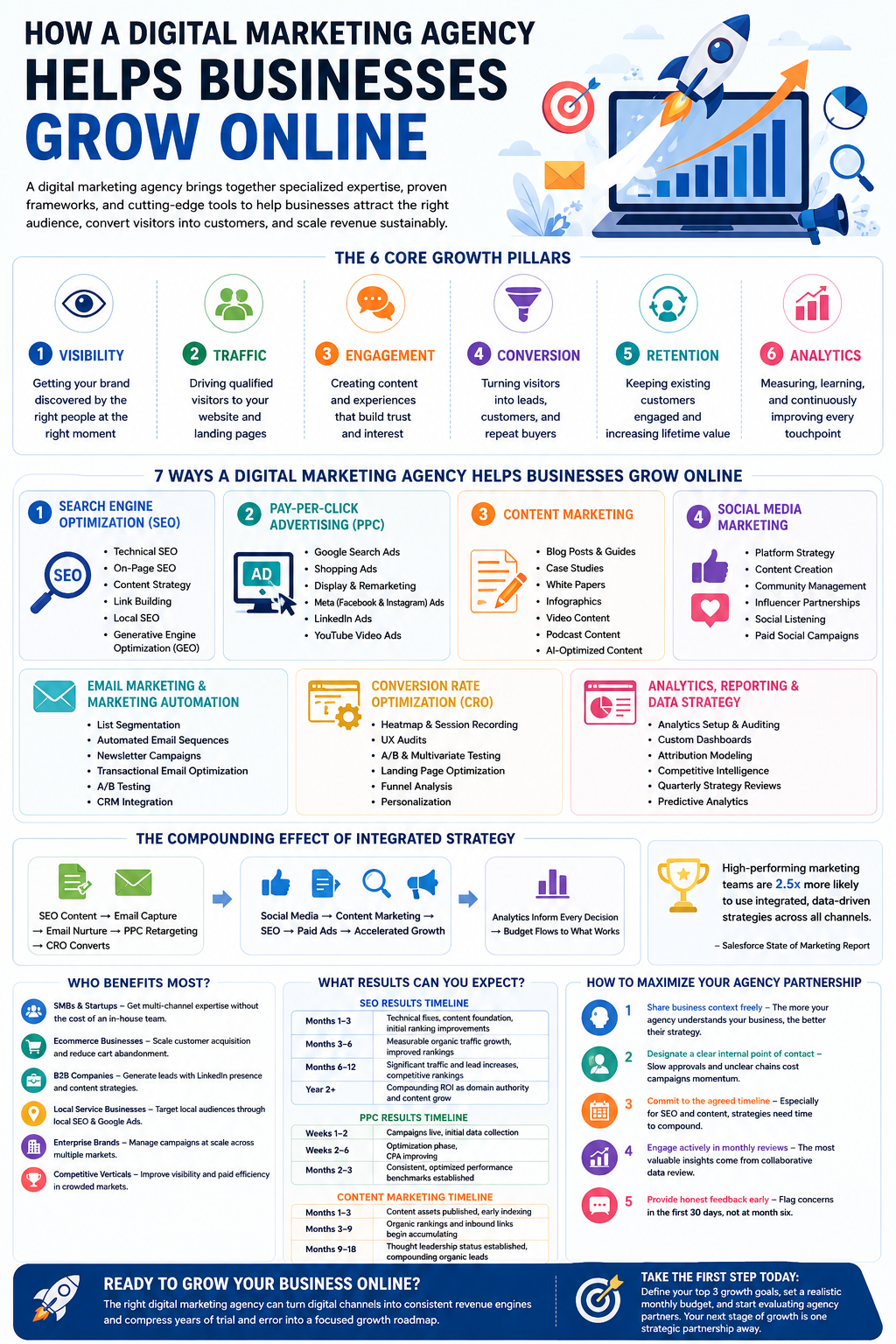
Still on the fence? Here's what you actually get when you work with the right agency:
Strategic clarity — A professional team audits your current situation, defines a strategy that fits your goals and budget, and builds a campaign roadmap with measurable milestones.
Specialist talent under one roof — copywriters, designers, media buyers, SEO specialists, analysts — working together on your campaigns.
Platform expertise — Agencies work with ad platforms daily. They understand algorithm changes, bidding strategies, and targeting nuances that casual users simply don't.
Time back in your hands — You focus on your clients and your business. The campaign runs in the background, bringing you leads.
Data-driven decisions — Professional reporting means you always know what's working, what it's costing, and what you're getting back.
Scalability — As your business grows, your campaigns scale with it. Increase budget, add channels, expand into new markets — a good agency grows with you.
At Vertex Cyber Tech Solutions, we've helped clients across IT, construction, HVAC, e-commerce, and professional services generate measurable growth through data-driven digital campaigns. Our team combines technical expertise with creative strategy to deliver campaigns that actually convert.
Common Mistakes That Kill Campaigns (And How to Avoid Them)
Even well-intentioned campaigns fail. Here's what to watch out for:
Skipping audience research. Assuming you know your audience without data leads to messaging that misses completely. Always validate before you spend.
Sending traffic to a weak landing page. Your ad gets the click. Your landing page gets the lead. If it's slow, unclear, or untrustworthy — you're throwing money away.
Impatience. Stopping a campaign after 5 days because it hasn't converted yet is one of the most common (and costly) mistakes. Most campaigns need 3 to 4 weeks of data before meaningful optimization is possible.
Ignoring mobile users. Over 60% of web traffic is mobile. If your landing page or emails don't look great on a phone, you're losing more than half your potential leads.
Focusing on vanity metrics. Likes and impressions feel good but don't pay bills. Track metrics that connect to revenue — leads, cost per acquisition, and sales pipeline value.
No follow-up system. Capturing a lead is only step one. Without a structured follow-up sequence — emails, calls, retargeting — most leads go cold. Build your nurture system before you launch.
Trying to do everything at once. A focused campaign on one channel outperforms a scattered presence on five. Start focused. Scale once you have a winning formula.
Conclusion — Your Next Step Starts Here
Digital marketing campaigns aren't magic. They're not overnight solutions. But they are, without question, the most powerful, scalable, and measurable way to grow a business in the modern economy.
The businesses that win online aren't necessarily the biggest or the most well-funded. They're the ones with the clearest strategy, the most consistent execution, and the smartest optimization.
Whether you're a startup trying to find your first 100 customers, or an established business looking to scale your lead generation, the framework is the same: define your goal, know your audience, pick the right channel, craft a compelling message, and execute relentlessly.
But you don't have to figure all of this out alone.
At Vertex Cyber Tech Solutions, we build and manage high-performance digital marketing campaigns for businesses that are serious about growth. From strategy and creative to execution and analytics — we handle everything so you can focus on what you do best.
Article FAQs
What is the difference between digital marketing and a digital marketing campaign?
Digital marketing is the broad umbrella of all online marketing activities. A digital marketing campaign is a specific, time-bound, goal-oriented initiative within that umbrella — like a 60-day lead generation campaign using Google Ads and a landing page.
How much does a digital marketing campaign cost?
Costs vary widely depending on channels, goals, and scope. A basic Google Ads campaign might start at ₹20,000–₹50,000 per month including management fees. Comprehensive multi-channel campaigns for growth-focused businesses typically run higher. The better question is: what's the ROI? A campaign that costs ₹50,000 and generates ₹3,00,000 in revenue is a very good investment.
How long does it take to see results from a digital marketing campaign?
Paid campaigns (PPC, social ads) can show results within days. SEO campaigns typically take 3 to 6 months for significant organic ranking movement. Email campaigns and content campaigns build momentum over weeks to months. A realistic timeline varies by channel and goal.
Can small businesses benefit from digital marketing campaigns?
Absolutely — in fact, digital marketing often benefits small businesses the most, since it allows targeted, cost-effective reach that was previously only available to companies with large advertising budgets. A well-run local campaign can generate a consistent pipeline of leads for even a solo operator.
How do I know if my digital marketing campaign is working?
Define your KPIs before launch — cost per lead, conversion rate, ROAS, or qualified inquiries per month. Track them weekly. If your campaign is generating leads at an acceptable cost and those leads are converting to revenue, it's working. If not, optimize the targeting, message, or offer before scaling up.
About Vertex Cyber Tech
Vertex Cyber Tech editorial team.